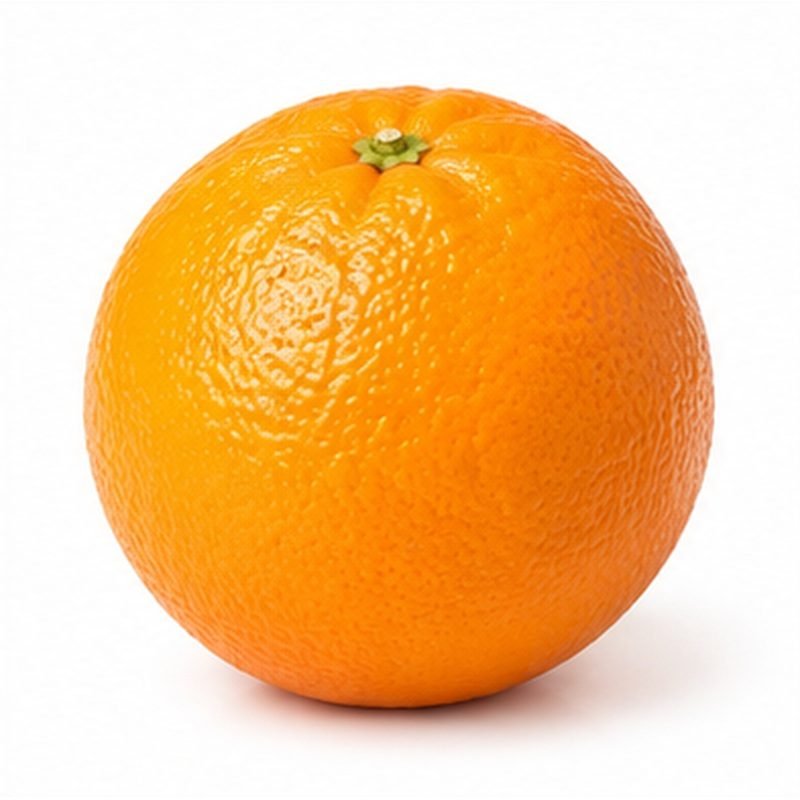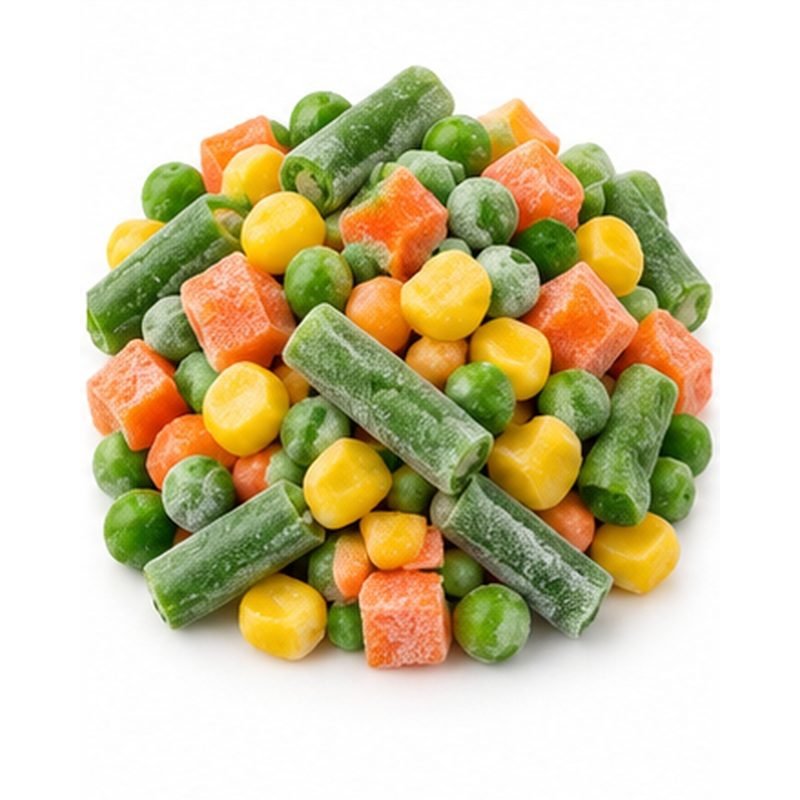

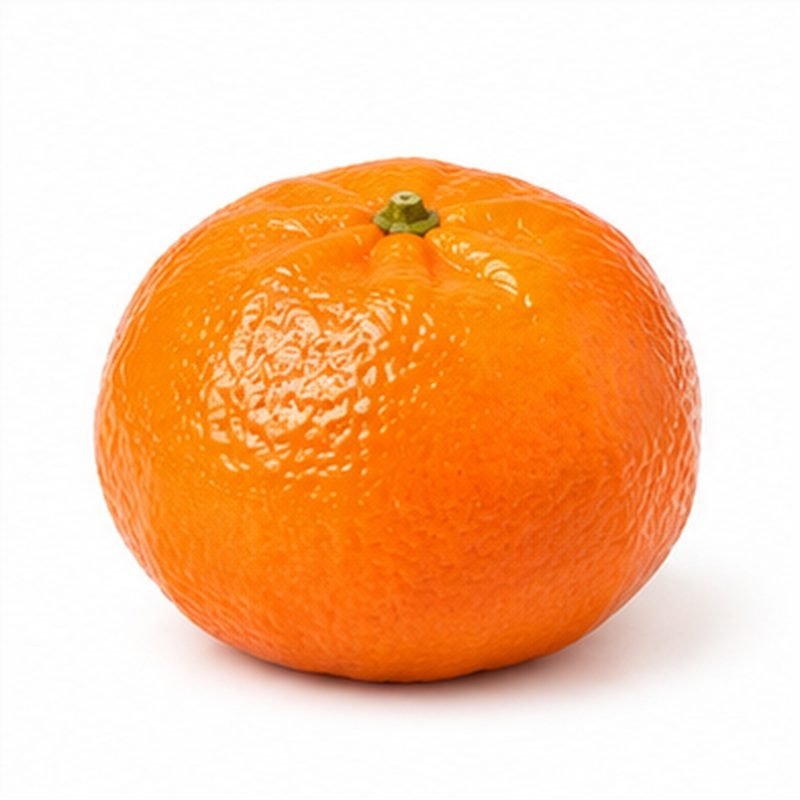
Egypt's advantage is not one crop — it is a calendar. Mild winters let field vegetables and citrus move into European markets while northern supply is thin, and the hot, dry summer drives potatoes, onions and melons.
Winter (Dec–Feb): citrus and potatoes
Oranges, mandarins and lemons are at peak, with early potatoes and onions following. This is the window where a mixed programme works best: citrus for volume and recognition, potatoes for continuity.
Spring (Mar–May): the transition
Citrus tails off, and green beans, peppers, tomatoes and melons take over. Cold-chain behaviour changes with ambient temperature at harvest, so pre-cooling discipline matters more, not less, as the season warms.
Summer (Jun–Aug): storage crops
Onions, potatoes and garlic lead, with mangoes and grapes in the air-freight window. This is also when frozen IQF lines protect your shelf: the fresh gap is structural, not accidental.
Autumn (Sep–Nov): restart
Early citrus, pomegranates, grapes and the first field vegetables. Contracts signed in this window usually secure the best citrus programmes of the following winter.
Planning rule
Lock volumes two seasons ahead, keep one line in frozen cover for every fresh line you depend on, and re-check packing specifications each time the ambient temperature at harvest changes by five degrees.
A buyer who reads the calendar buys better: fewer substitutions, firmer pricing, fewer surprises at arrival.