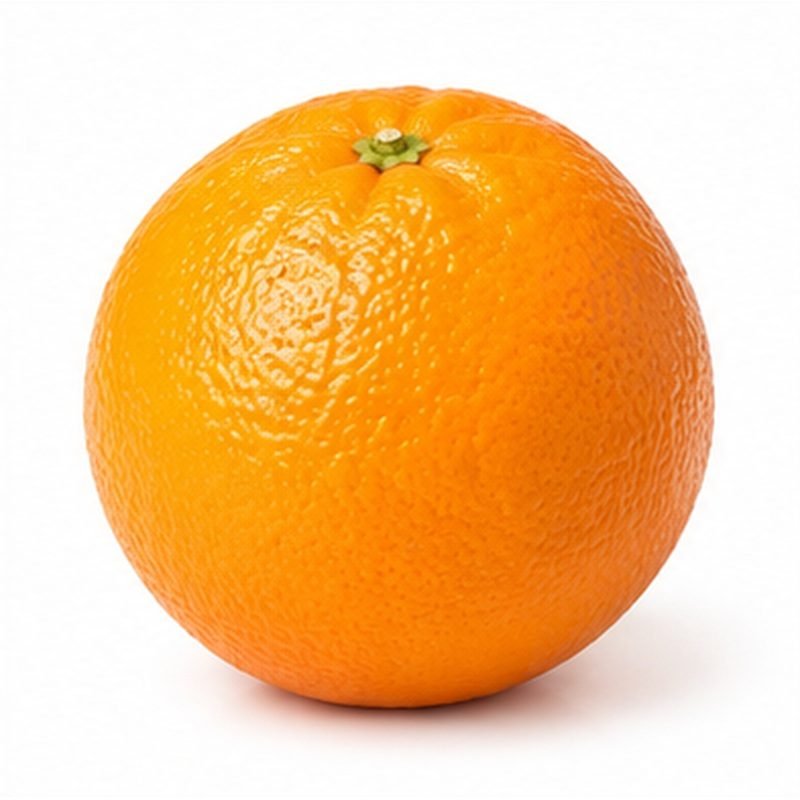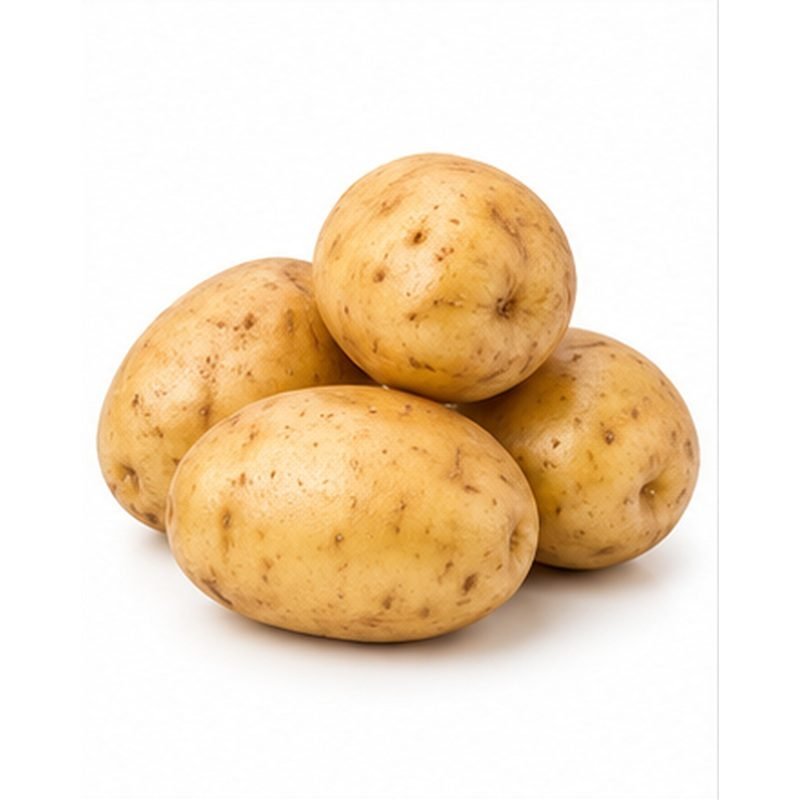

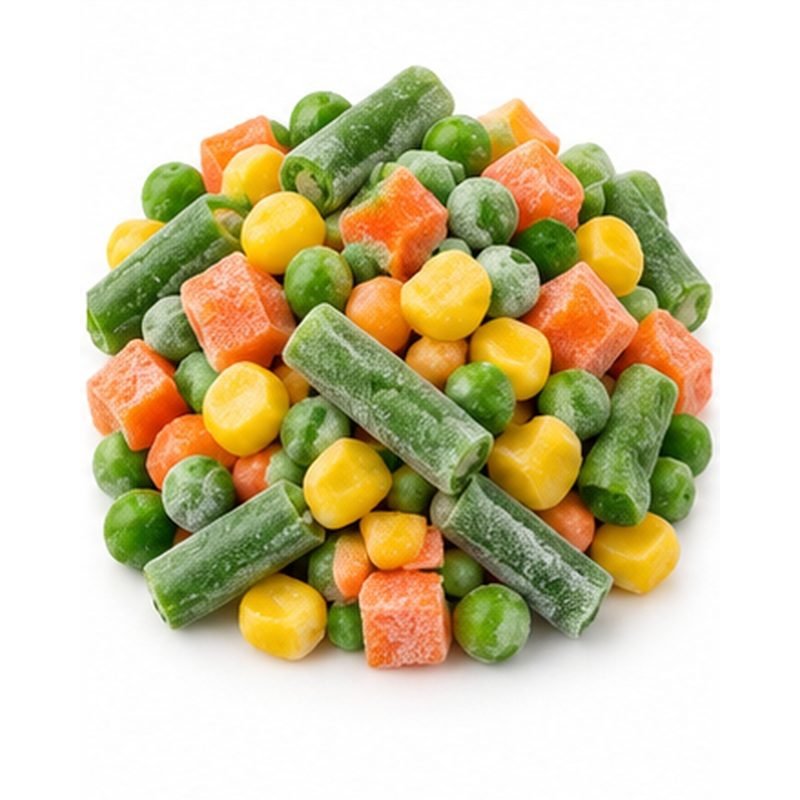
Importers plan around harvest calendars, but demand does not pause when a fresh window closes. That is the commercial case for IQF.
What IQF actually preserves
Individually quick frozen processing freezes each piece separately and fast, so grains stay separate, cell structure survives, and texture holds through storage at −18 °C. Slow freezing does the opposite: crystals grow, cells rupture, and the product arrives mushy.
Matching the channel
Food-service buyers value portioning and consistency; retail buyers value presentation and shelf messaging. Both are served by the same frozen line with different pack formats — 1 kg retail pouches, 5 kg food-service cartons, or bulk for further processing.
Planning the mix
A resilient programme blends fresh windows with frozen coverage: peak-season fresh for margin and presentation, IQF for the months outside the window. Ask your supplier for the harvest calendar per line and plan frozen orders two to three months ahead of the fresh gap.
Chain discipline
Frozen quality lives or dies on the chain. Storage, container set points and handling at destination must hold −18 °C without interruption. Request temperature records with every shipment and inspect on arrival.
The best importers do not choose between fresh and frozen — they choose both, timed correctly.