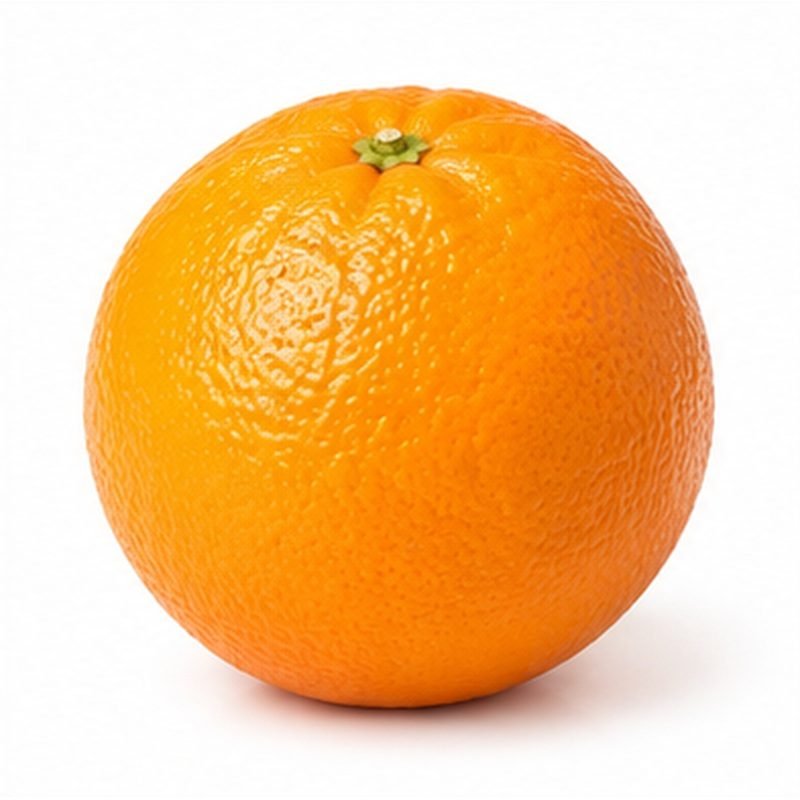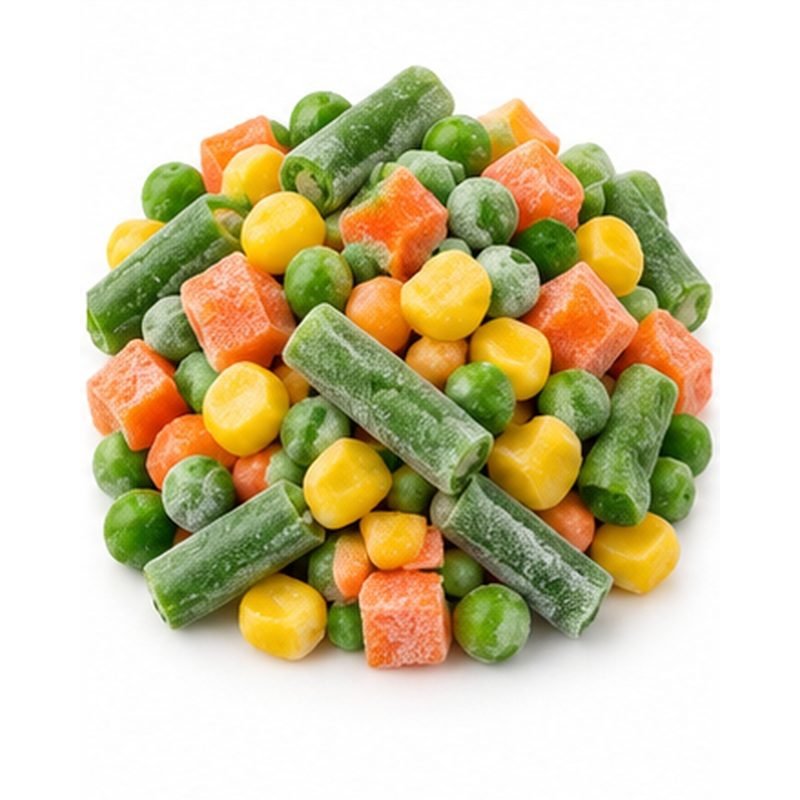

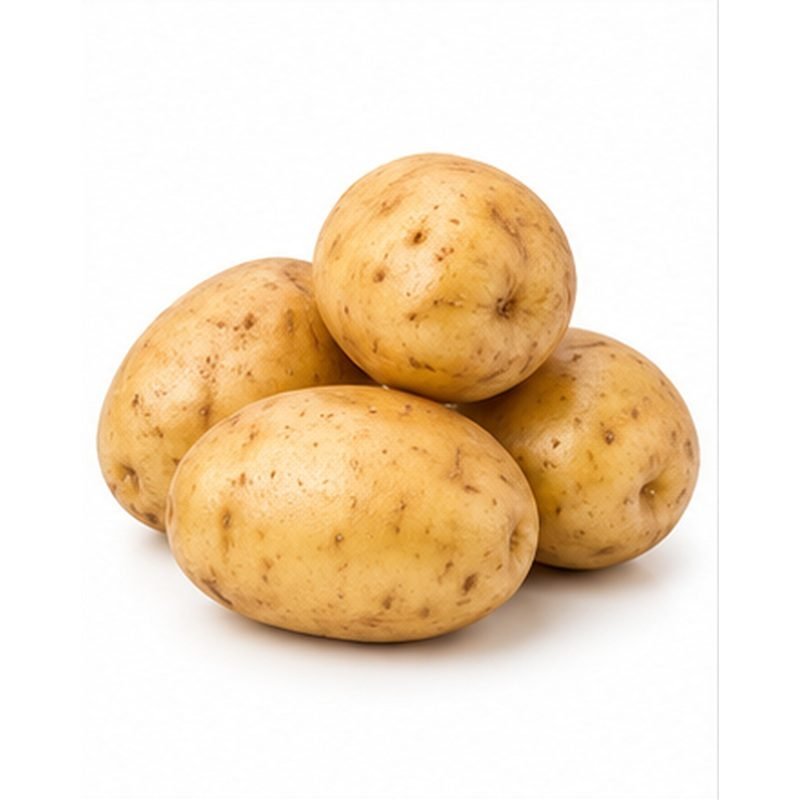
Vegetables forgive less than fruit. Moisture, respiration and mechanical damage compound quickly over a transit. Use this checklist with any supplier.
1. What happens between harvest and cooling?
Field heat is the enemy. Ask how quickly produce reaches pre-cooling after harvest and what the set point is.
2. How is the lot sorted?
Grade, colour, size and defect screening should be documented. Ask what percentage is typically culled — a supplier who cannot answer is not sorting.
3. Which pack, and why?
Ventilated cartons for respiration-heavy lines; mesh bags for onions and potatoes; single-layer trays for delicate fruit-vegetables. The answer should reference the product, not the habit.
4. What is the transit window?
Every line has a maximum. If your route exceeds it, the product should change (frozen or processed form), not the excuse.
5. How is humidity managed?
Too dry shrivels; too wet rots. Liners, vents and pallet patterns are the tools — ask which are used.
6. What documentation arrives?
Packing lists, phytosanitary certificates, origin certificates and transport records should be confirmed before loading.
7. What happens when something arrives wrong?
Claims are inevitable in agriculture; silence is not an acceptable response. Agree the notification window, photo protocol and resolution process in writing before the first shipment.
A supplier who answers all seven fluently is running a system. That system — not luck — is what delivers condition at arrival.